

Off-page SEO is the practice of increasing a site’s authority and visibility by earning backlinks, brand mentions, and other external endorsements that signal credibility to search engines.
Securing a handful of backlinks is easy, but earning high-quality links consistently is the real challenge. Backlinko, a respected SEO research resource, analyzed 912 million blog posts and found that 94% of all content receives zero external links. This finding makes it clear how rare consistent backlink acquisition really is. Without them, competitors gain authority, rankings drop, and growth comes to a halt.
So, how can you make sure your site builds the backlinks it needs to stay ahead?
How Does Off-Page SEO Work?
Off-page SEO works by sending signals of trust to search engines. When other sites link to yours, it’s like a vote of confidence that tells Google your content is worth ranking. These backlinks, combined with mentions, reviews, and citations, build a picture of authority around your brand. These off page factors in seo are essentially votes of trust.
Unlike on-page SEO, which is under your direct control, off-page optimization relies on outside validation. That’s why it’s harder to achieve but often more impactful. Search Engine Land notes that Google’s algorithm looks beyond your website, evaluating how the rest of the web interacts with your content. Knowing these key off-page seo factors is the first step to a successful strategy.
What Are the Key Components of Off-Page SEO?
Off-page SEO covers more than backlinks. It involves a mix of off page SEO strategies that expand your reach and build your reputation online. Guest blogging, influencer marketing, and reputation management are all examples of off page SEO methods that help demonstrate to search engines that your site is credible and valuable.
These elements contribute to signals of experience, expertise, authority, and trust, the fundamental off page seo ranking factors. Search engines weigh these signals when deciding which websites earn higher rankings. Using different off page SEO techniques together creates a strong foundation of recognition and reliability across the web. These are the key components of off page SEO:
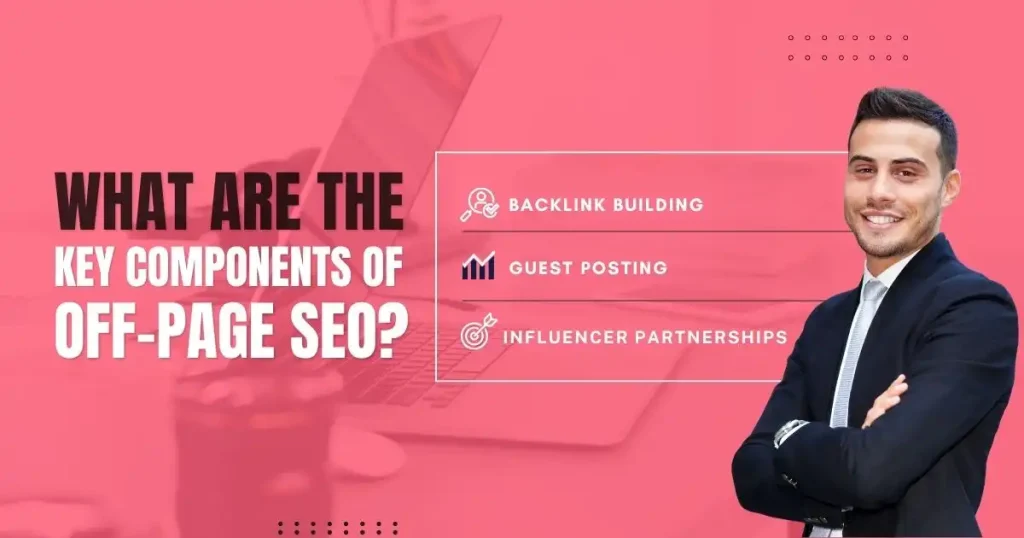
- Backlink building: Strong backlinks act as votes of trust for your website. They are one of the most important ranking factors and directly impact your domain authority.
- Guest posting: Writing articles for reputable sites exposes you to new audiences. It also gives you a chance to earn natural backlinks in a relevant context.
- Influencer partnerships: Collaborating with influencers helps you reach their followers. This often leads to brand mentions, social shares, and even backlinks from their platforms.
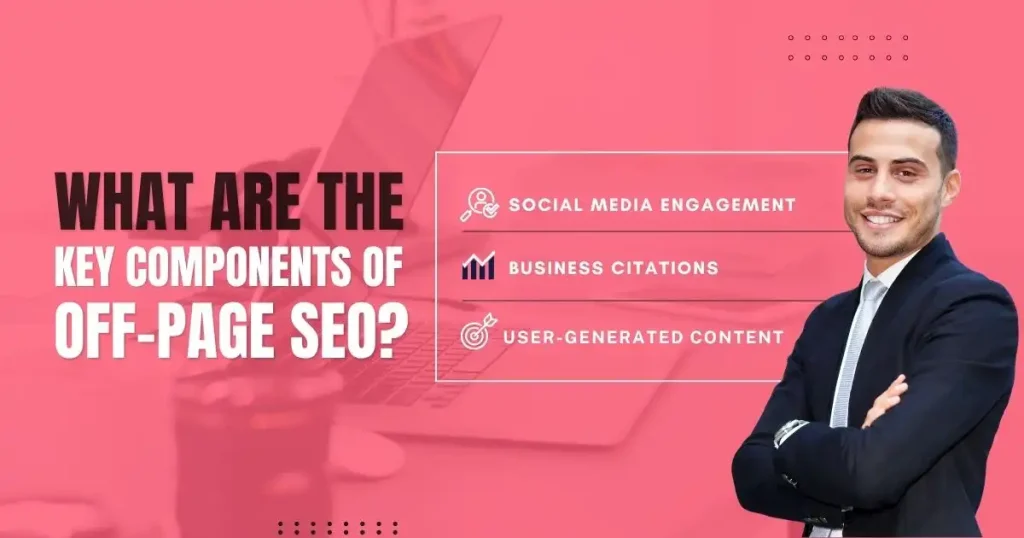
- Social media engagement: Active presence on social media amplifies your content. It also drives indirect SEO benefits through increased visibility and community trust.
- Business citations: Listings in directories like Google Business Profile confirm your credibility. Consistency in these citations strengthens both local SEO and brand trust.
- User-generated content: Reviews, testimonials, and community posts build credibility. They also create new signals of engagement that search engines notice.
- Brand mentions: Mentions in articles, blogs, and news stories increase authority. Even without links, they help search engines connect your brand with your niche.
Why Is Link Quality More Important Than Quantity?
Not all backlinks are created equal. A single mention from a respected, high-authority site in your niche can outweigh dozens of irrelevant or spammy links. Google has become much better at recognizing link quality, meaning mass link-building strategies no longer work.
Poor-quality backlinks can even damage your rankings. On the other hand, links from trusted, relevant domains act as strong endorsements that reinforce your expertise. Focusing on quality ensures long-term growth. These are the qualities of strong backlinks, also known as advanced off-page SEO factors:
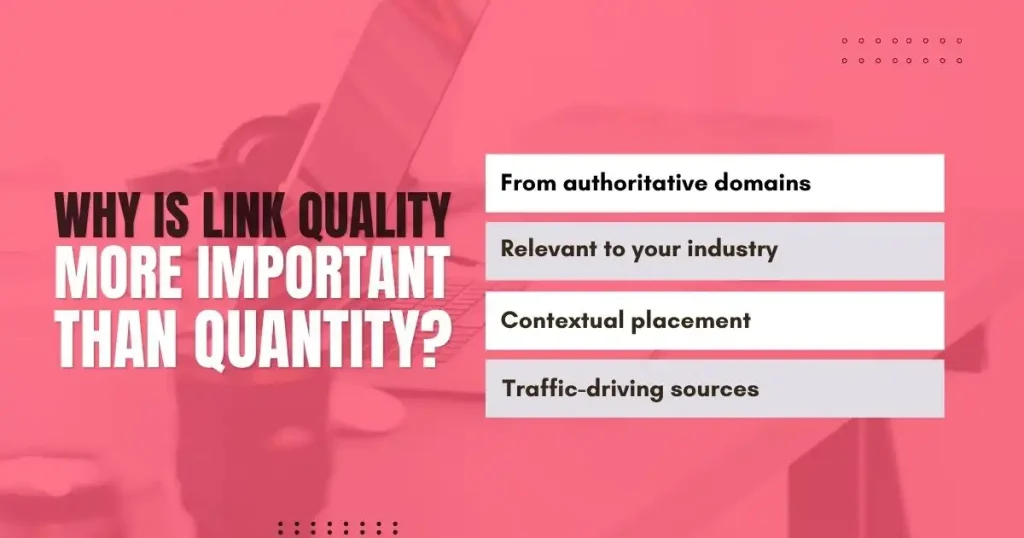
1. From authoritative domains
Backlinks from trusted websites like established publications or well-known industry sites carry significant weight. They strengthen your site’s reputation and show search engines that your content can be trusted.
These types of links also tend to send steady referral traffic, since users already recognize and trust the source. That added visibility compounds the SEO benefits and helps build long-term brand authority.
2. Relevant to your industry
A backlink from a site in your niche has more value than one from an unrelated source. These links improve topical authority and confirm to search engines that your content fits within a specific subject area.
When multiple relevant sites link to you, it reinforces the signal that you’re an expert in your field. This not only boosts rankings but also positions your brand as a credible resource within your industry.
3. Contextual placement
Links that appear naturally inside articles or guides are far stronger than those placed in sidebars or footers. Contextual links tell search engines that your content is being used to provide additional value to readers.
They also encourage more clicks, since users encounter them while actively consuming related content. This creates a smoother user experience and increases the likelihood of engagement.
4. Traffic-driving sources
High-quality backlinks not only boost rankings but also bring real visitors from other websites. Referral traffic proves that your site is useful, which strengthens user engagement signals alongside SEO benefits.
Links that send targeted traffic can also lead to higher conversions, since visitors are already interested in your topic. This makes traffic-driving backlinks valuable for both SEO and business growth.
5. Earned naturally
The best backlinks are earned because your content is worth referencing. Links built through genuine value protect you from Google penalties, while manipulative or paid schemes can damage long-term visibility.
Natural backlinks also scale more sustainably over time. As your content gains recognition, it attracts new links without the need for constant outreach or risky tactics.
How Do You Measure Off-Page SEO Success?
The foundation of any successful strategy lies in using expert off-page SEO solutions to accurately track results. Measuring off page SEO means tracking signals that reflect growth in authority and visibility. This includes not only backlink counts but also domain authority, referral traffic, and brand mentions. These metrics help you see if your efforts are pushing you ahead of competitors.
Toxic link monitoring is also important, since harmful backlinks can damage performance. Regular off page SEO audits combined with performance tracking ensure that your off-page strategy drives results while protecting your site from risks. These are the metrics to measure off-page SEO success, providing effective off-page SEO insights:
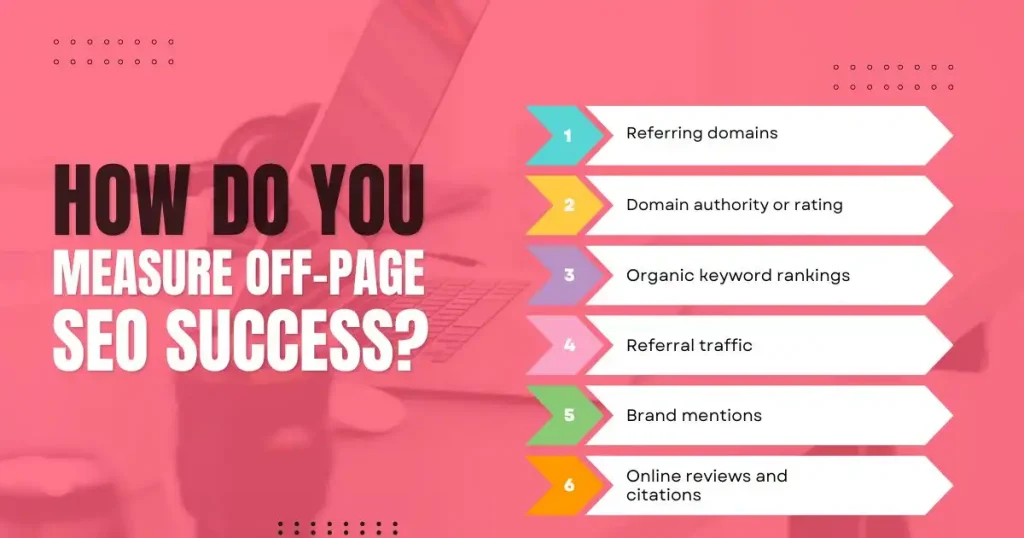
- Referring domains: The number of unique websites linking to you shows how wide your reach is. A steady increase signals consistent off-page success.
- Domain authority or rating: These metrics indicate the overall strength of your site. Higher scores usually lead to better rankings and greater visibility.
- Organic keyword rankings: Tracking keyword movement shows if backlinks are helping your site gain visibility. Growth in rankings is a sign your authority is paying off.
- Referral traffic: Visits from external links show that backlinks are driving real users. This proves that links benefit both rankings and conversions.
- Brand mentions: Growth in brand citations across the web shows rising awareness. Even unlinked mentions contribute to authority in the eyes of search engines.
- Online reviews and citations: Increases in third-party reviews and directory listings strengthen local SEO. They also enhance consumer trust and engagement.
Get Found, Get Trusted, Get Results
Building a strong website is only half the battle. Without steady backlinks and brand signals, your content risks getting buried under competitors who focus on off-page SEO. Authority cannot be faked because search engines look for consistent proof that other websites trust and recommend your content. To move ahead, you need a clear plan to earn high-quality links, improve visibility, and build long-term credibility.
TPD SEO Philippines can help you make that happen. Our team offers backlink services, digital PR, guest posting, and citation management, all as part of our core off-page SEO services to grow your authority and rankings. Book a free consultation or request an SEO audit today to see where your site stands and what steps will bring the biggest results.
Off-Page SEO Frequently Asked Questions
What is off-page SEO in simple words?
Off-page SEO is about improving your website’s authority through external signals like backlinks, brand mentions, and reviews.
Why is off-page SEO important?
It’s important because search engines use backlinks and mentions to judge credibility. Without them, your site may struggle to rank even if your content is high quality.
What are the best off-page SEO strategies?
The best strategies include guest posting, digital PR, creating shareable content, and consistently earning high-quality backlinks from trusted websites. These are the most effective off-page SEO methods.
How many backlinks are good for SEO?
There’s no fixed number. Quality matters more than quantity. A few strong backlinks from authoritative sites are far more valuable than dozens of weak ones.
What tools help with off-page SEO?
Popular tools include Ahrefs, Semrush, and Moz for backlink tracking, BuzzSumo for content outreach, and Google Search Console for monitoring overall visibility. If you decide to use off page SEO services, your provider will use these tools to manage your strategy.